Start with geometry
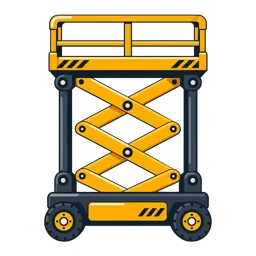
- Can the machine sit below the task? Choose a scissor at /electric-scissor-lift-rental/ for slab interiors or /rough-terrain-scissor-lift-rental/ for exterior ground.
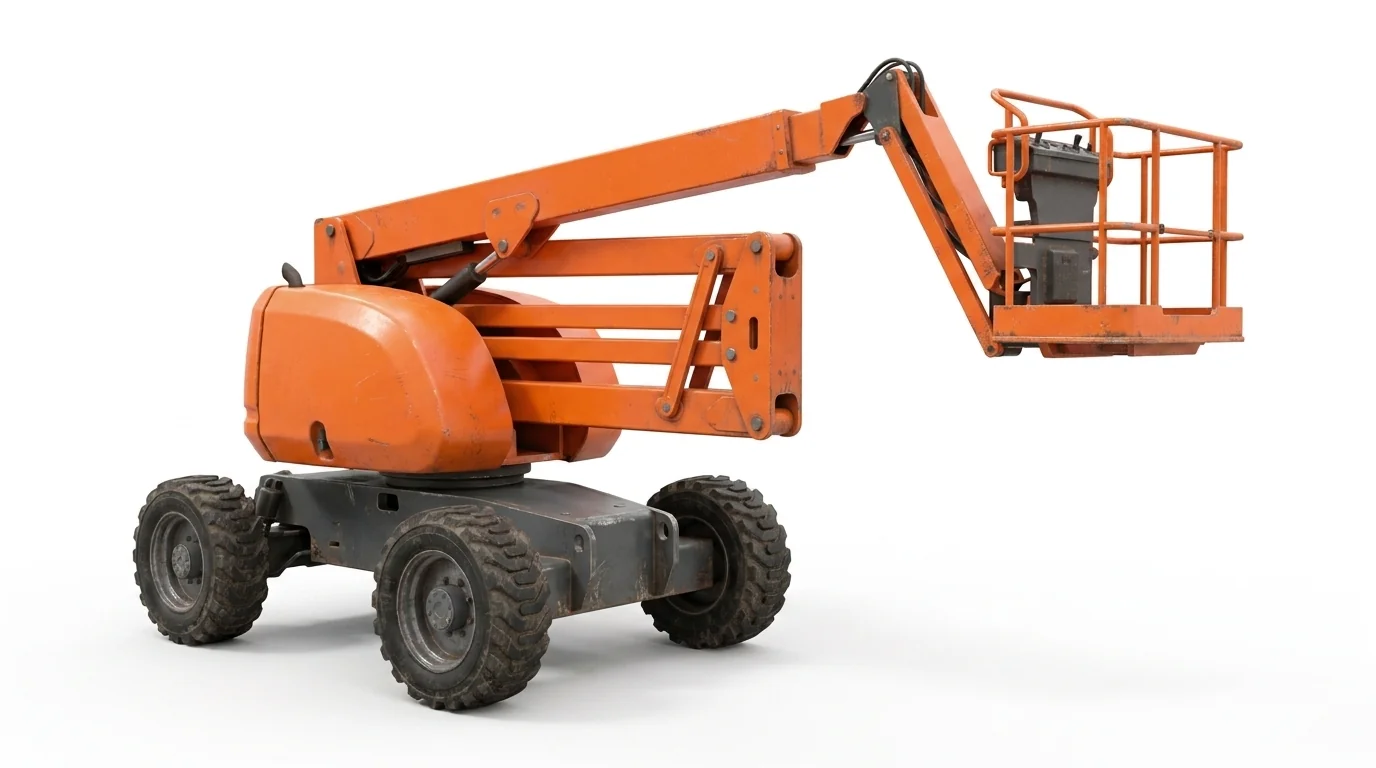
- Is there an obstacle between the machine and the work? Compare articulating and telescopic booms at /boom-lift-rental/.
Huntsville-specific considerations
- High-bay spaces often post slab and travel limits that affect electric scissor size and deck capacity.
- Outdoor projects on red clay after rain may need wider, rough‑terrain platforms or alternative access paths to keep bearing pressure within site limits.
Articulating vs. telescopic booms at a glance
- Articulating booms navigate up-and-over tasks around process equipment and facade features.
- Telescopic booms favor straight outreach and maximum horizontal distance when the setup area is clear.
When the plan changes
- If an interior task expands into an exterior area, a boom may cover both from a single setup if ground allows. If not, separate interior scissor and exterior rough‑terrain units often make more sense.
Related site needs
- Material placement at height may point to /telehandler-rental/ or /forklift-rental/ alongside the aerial platform.
Actual conditions, the selected unit’s instructions, and site procedures govern aerial work in Huntsville’s interiors and on variable soils.
Keep the comparison specific
A useful equipment discussion starts with the work height, the practical machine position, the route into the area, the floor or ground along that route, and the people, tools, or material involved. Those details clarify whether vertical access, outreach, or material placement is the real constraint.