Start with the load and the placement
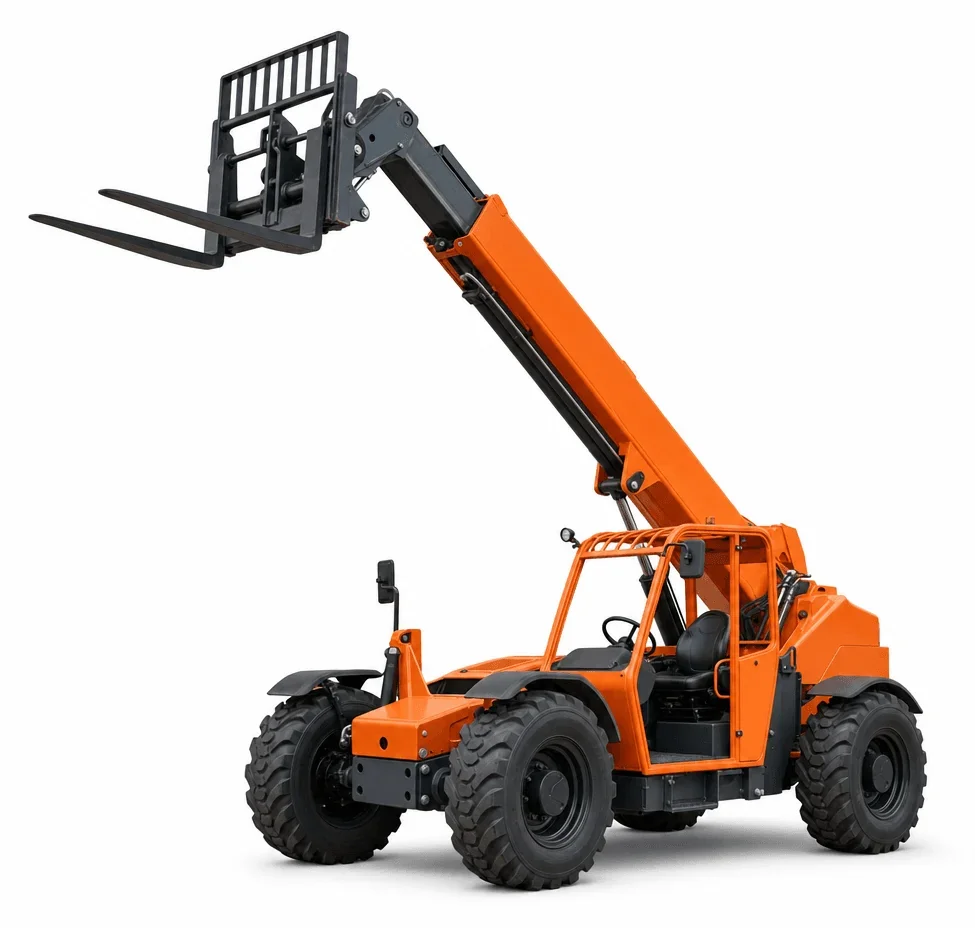
Define the heaviest expected load and the farthest placement point. The moment at full boom extension changes quickly with small increases in reach. Compare your pallet size, rigging envelope, and required height to the model’s load chart at that boom angle and extension.
- Key inputs: load weight, center of gravity, fork or attachment envelope, and needed outreach.
- Placement type: landing on decks, setting rooftop units, or staging behind barricades.
Huntsville ground and slope realities
Seasonal rain can turn clay yards slick and spongy. Rough‑terrain tires help traction, but the deciding factor is ground bearing where the machine sits and where it turns under load. On sites with karst risk, avoid unverified fills and shoulders near drainage features. Actual site procedures and the unit’s instructions control stabilizer use, travel, and lifting.
Maneuvering around industrial layouts
Local manufacturing plants often require tight turns around racks, pipe bridges, and staging lanes. Short‑wheelbase models improve inner turning radius, while higher‑capacity units typically need more swing room. Confirm gate widths and overhead clearances along the delivery path.
When a different machine fits better
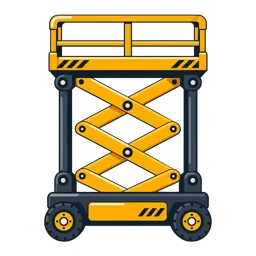
- Purely vertical personnel access: /electric-scissor-lift-rental/ or /rough-terrain-scissor-lift-rental/ depending on surface.
- Long, overhead personnel work: /boom-lift-rental/ with category details at /articulating-boom-lift-rental/ or /telescopic-boom-lift-rental/.
- Pallet movement only on smooth floors: /forklift-rental/.
Staging and logistics
Set aside firm, level areas for unloading, turning, and material drops. If the project includes restricted zones, schedule screening steps and escort needs into the move plan. Verify platform storage and debris management so the handler isn’t blocked during peak deliveries.