Start with the work window and load
- How many circuits or lumens are actually required, and for how long? Runtime expectations drive fuel tank size, generator rating, and light tower selection.
- Will loads be motor-start or sensitive electronics? Surge and voltage regulation needs differ between a rough site tool circuit and test equipment in a controlled facility.
Huntsville ground and weather
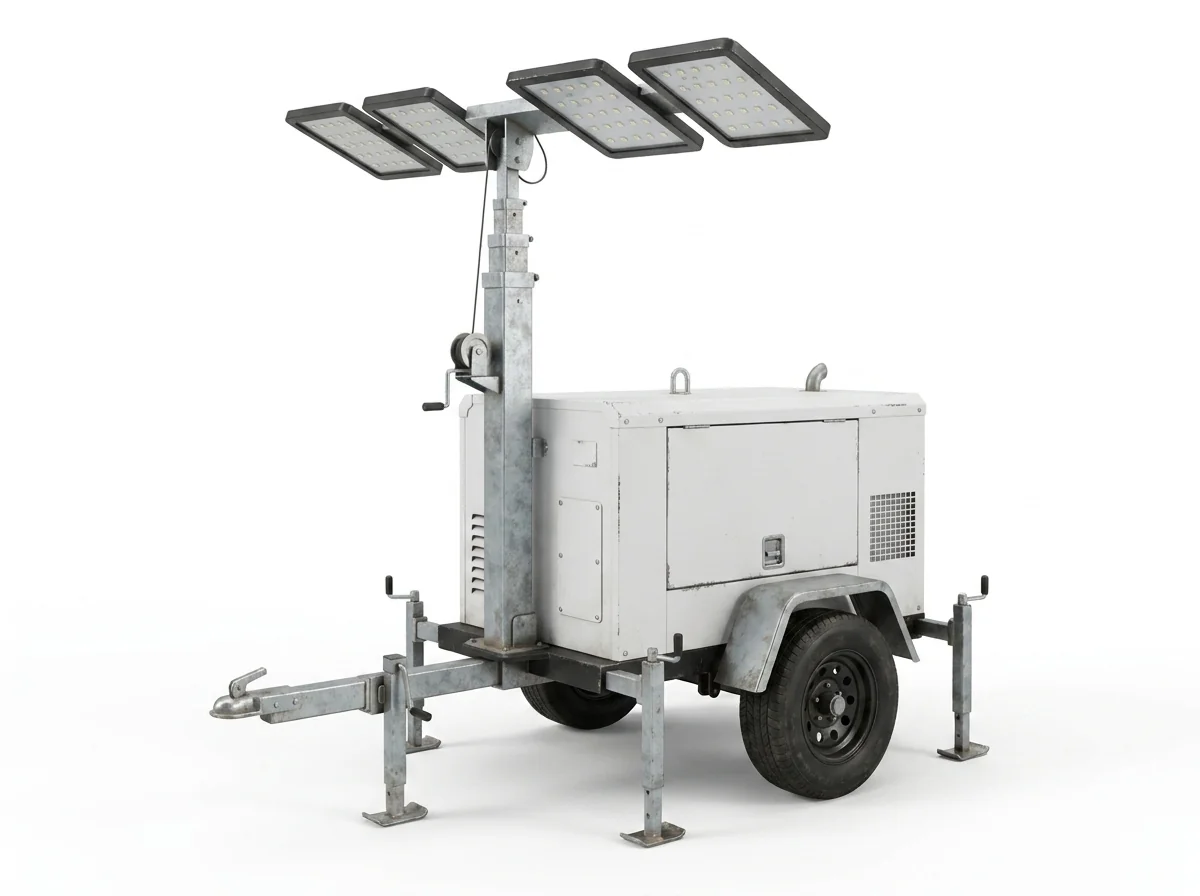
- Red clay gets slick and unstable when saturated. For trailer-mounted generators or light towers, the parking pad needs verified bearing strength and drainage. Outriggers or leveling jacks only help when the subsurface can carry the weight.
- Karst terrain around the city means unknown voids in some areas. A quick ground-bearing capacity check and avoiding recently disturbed fill reduce tipping or settlement risk.
Access routes and placement
- Measure gate width, turning radius, and slope on service roads. Towable units and skid-mounted packages have different approach clearances.
- If the unit must sit below the task, confirm cable or light mast runs, overhead obstructions, and any requirement to keep equipment outside controlled test bays.
Noise, exhaust, and power quality
- Indoor or high-bay maintenance in local industrial buildings often favors electric light towers or generator placement outdoors with adequate exhaust routing. Some sites will restrict nighttime noise near offices or R&D areas.
- For power feeding sensitive instruments, tighter voltage regulation and appropriate grounding paths matter more than raw kW.
Lighting layout for mixed tasks
- Working under tall ceilings in “Rocket City” high-bays usually needs fewer but higher-output fixtures with narrow beams to punch to task height.
- Site security lighting in open clay lots benefits from elevated mast height, wide beam patterns, and glare control at entry points.
Related access equipment
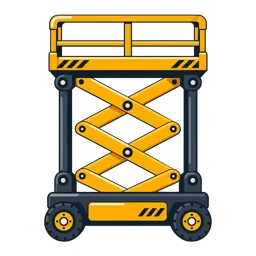
When lighting or cabling must be installed at height, compare options at: - /electric-scissor-lift-rental/ for indoor slab work - /rough-terrain-scissor-lift-rental/ for uneven outdoor surfaces - /boom-lift-rental/ for reach over obstacles
What to confirm before you call
- Load profile (running and starting), runtime, and receptacle types
- Ground conditions at the parking pad and along the tow path
- Noise, emissions, and after-hours restrictions
- Distance to the load or lighting area and cord routing
- Site security and check-in procedures if the delivery is to a controlled facility