Define the load and the aisle first
Pallet dimensions, load height, and weight set the mast and capacity needs. Next, measure the tightest aisle and doorway you must pass through. Small differences in counterweight length decide whether a truck can turn in older buildings or between fixed process lines.
Surface and tire selection for North Alabama sites
- Smooth indoor floors: Cushion tire trucks keep turning radii tight and ride low. Non‑marking compounds may be required in clean production areas.
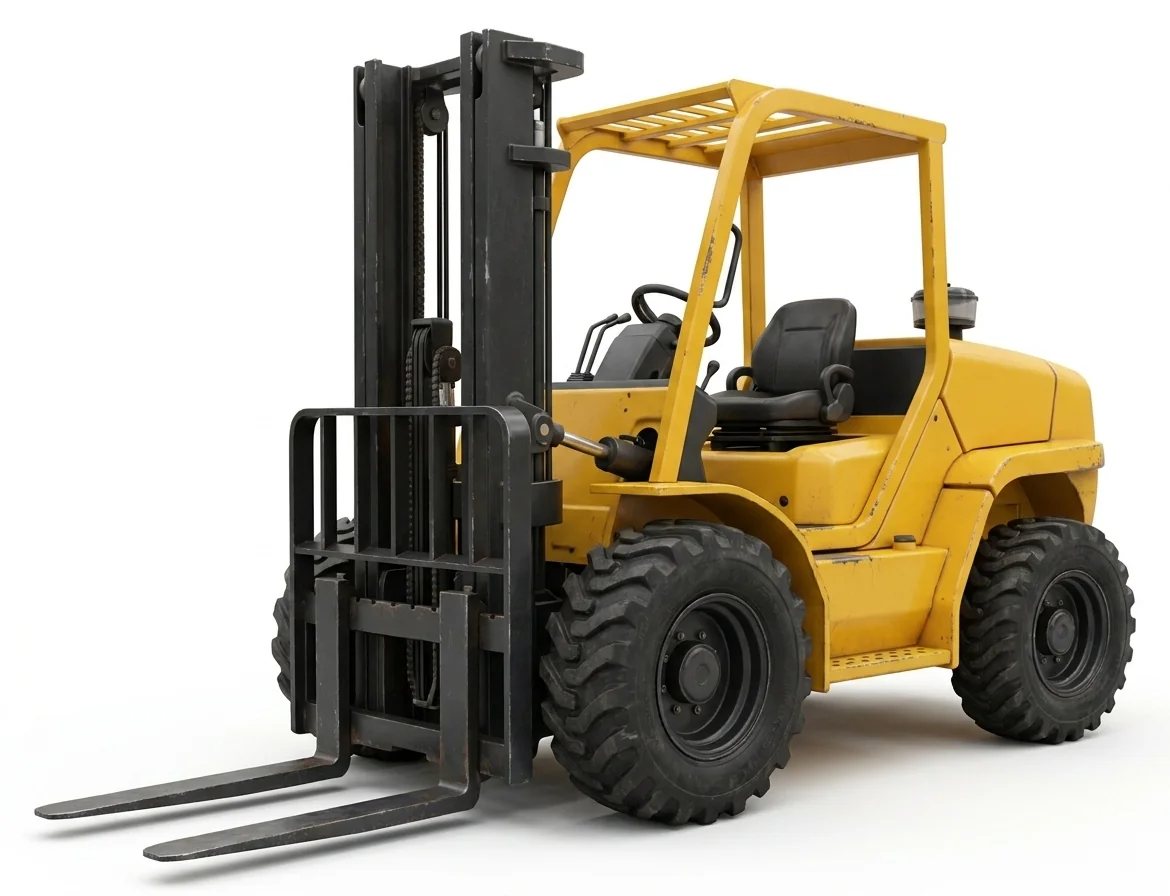
- Mixed or outdoor yards: Pneumatic tire trucks handle rougher approaches and thresholds. After rain, clay yards can rut and slick over; confirm travel paths and staging on firmer surfaces.
Actual site procedures and the selected unit’s instructions govern slope limits, ramp approaches, and loading dock operations.
Power and emissions constraints
Where ventilation is limited, electric trucks reduce exhaust and noise. For heavy shifts in open or semi‑open bays, LPG or diesel may support longer run times. Confirm charging access or fuel storage policies set by the facility.
When another machine fits better
- Reaching over obstacles or placing to elevated decks: /telehandler-rental/.
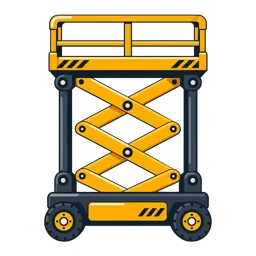
- Personnel access for overhead tasks: /electric-scissor-lift-rental/ or /aerial-lift-rental/.
- Yard-only long outreach: /telescopic-boom-lift-rental/ when the target is high and distant.
Access route checkpoints
Dock height, ramp grade, threshold lips, and overhead obstructions along travel routes can limit mast selection and overhead guard clearance. In restricted zones, plan for identification checks and staging areas outside the entry point.