Define the line-of-sight reach
If the base can sit directly in front of the work, measure horizontal distance from the stop point to the target and the vertical elevation. Telescopic sections deliver predictable outreach along that line. Add clearance for platform positioning and any standoff needed for façade or steel connections.
- Measure: required platform height, horizontal distance, and intended standoff.
- Note: workspace width for swing and counterweight clearance.
Regional ground and weather effects
On North Alabama clay, sustained rainfall softens laydown areas and slopes. Rough‑terrain tires, oscillating axles, and outriggers (where provided) may be specified, but their use depends on ground capacity and the machine instructions. Straight booms commonly work in open, wind‑exposed locations; site wind limits and procedures apply.
Karst features can leave hidden voids under thin soil. For long‑reach setups, confirm bearing capacity where the machine will sit, not just near access roads. Avoid positioning at the edge of backfilled cuts without verification.
When a straight boom fits—and when it doesn’t
- Exterior steel or signage with clear approach: Telescopic booms minimize time by reducing moves.
- Tall, open‑bay maintenance: A straight approach up to trusses or lights works if aisles are clear and floor ratings permit. Compare /vertical-mast-lift-rental/ or /electric-scissor-lift-rental/ for tighter interiors or purely vertical tasks.
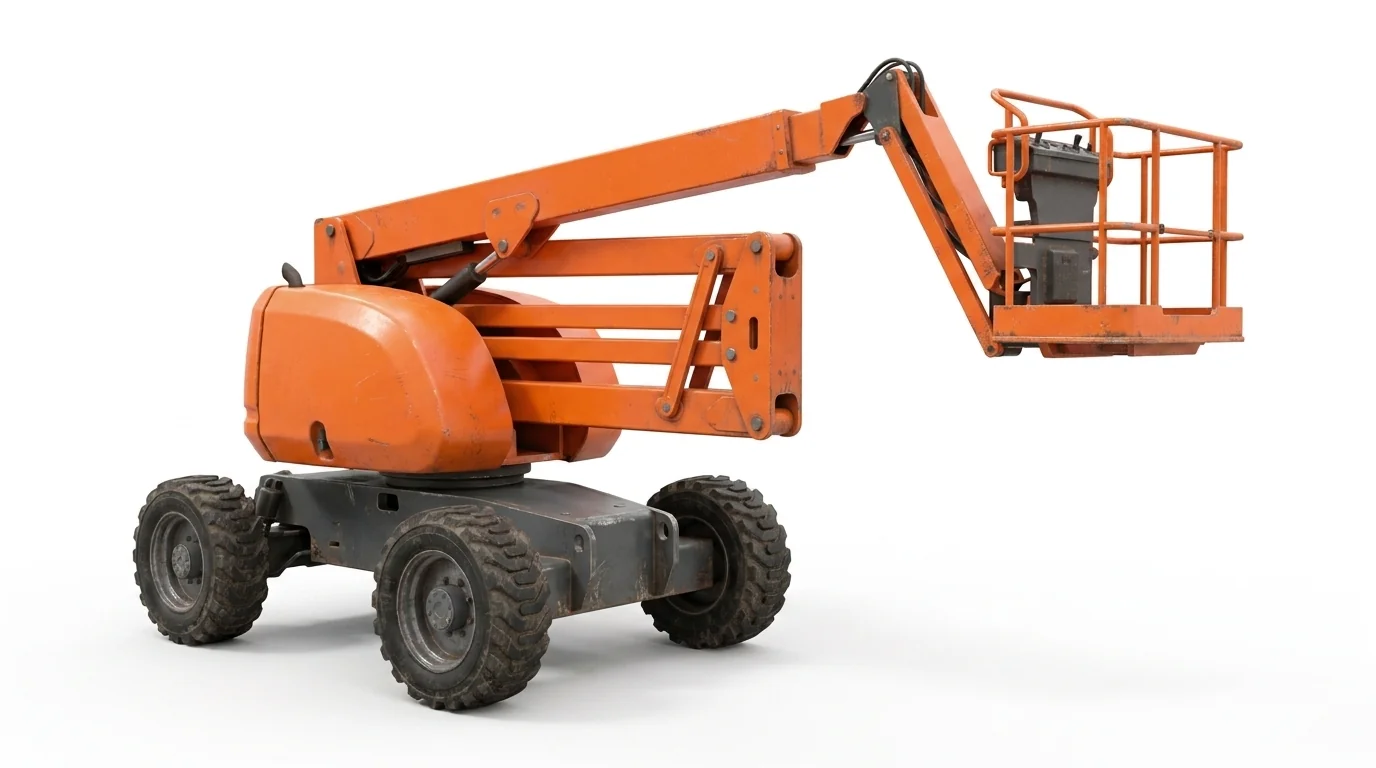
- Obstructed routes or recessed targets: If the work sits behind a canopy or pipe rack, consider /articulating-boom-lift-rental/.
Access path and transport checks
Confirm gate widths, overhead clearances, and turning room at staging pads. Many straight booms have long tails and wider turning radii than articulated units. If the move includes restricted facilities with screening, plan for identification checks and staging outside the gate when required.
For broader aerial categories, see /boom-lift-rental/ and /aerial-lift-rental/.