Start with the work geometry
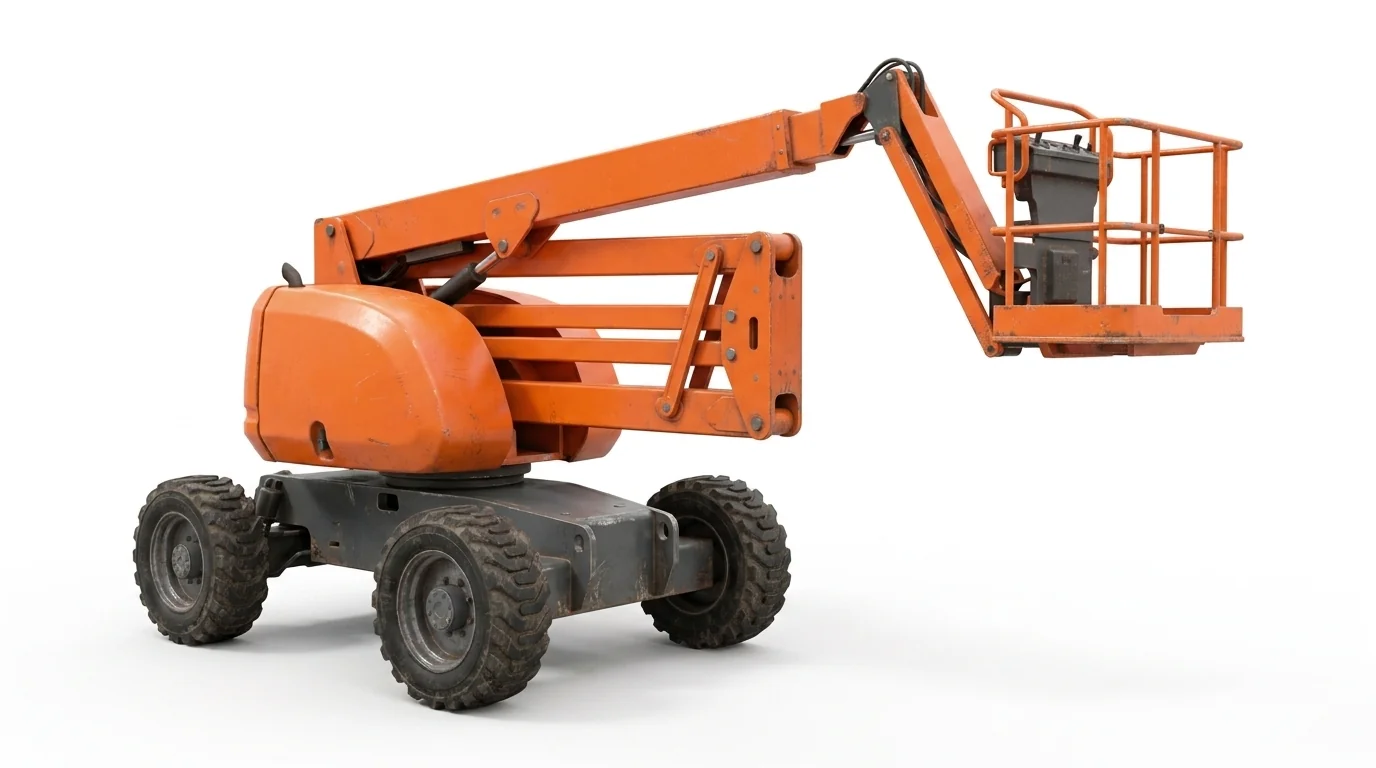
The question is whether the machine can sit below the task and reach up, then over, without repositioning. Count the horizontal offset from your stop point to the work face, the vertical elevation, and any overhead obstructions. Articulating knuckles let the boom snake through tight gaps found around overhead utilities in industrial sites and maintenance corridors at test cells.
- Measure: platform height needed, horizontal reach to the work, and clearance above the base machine.
- Note any handrail, duct, or conduit runs that require the jib to articulate mid-span.
Local ground and approach considerations
Huntsville’s red clay can pump and slick over after rain. If the approach crosses disturbed soil or sloped yards, rough‑terrain articulating models with foam‑filled tires and outriggers are typically specified for stability. On paved interiors at advanced manufacturing plants, electric articulating units with non‑marking tires reduce floor impact and emissions.
Where karst terrain is suspected, confirm ground‑bearing capacity before placing outriggers or driving loaded. Interior slabs in high‑bay facilities usually publish ratings; exterior laydown areas may not. Actual site procedures and the selected unit’s instructions govern setup and movement.
Narrowing the platform and power choice
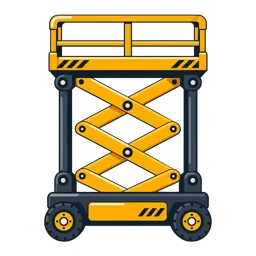
- Indoor maintenance: Electric articulating booms with compact tailswing help clear racks and process lines. Compare to /electric-scissor-lift-rental/ if the work is straight up with no offset.
- Exterior steel or façade work: Diesel articulating booms provide torque and ground clearance. If the task is a long, straight reach without obstacles, see /telescopic-boom-lift-rental/.
- Mixed sites: Hybrid or bi‑energy units reduce exhaust issues during brief indoor passes while keeping outdoor performance.
Typical Huntsville applications
- Up‑and‑over access above conveyors in production areas.
- Reaching behind façade elements for signage or envelope repairs on industrial campuses.
- Navigating around test stands and service platforms where straight booms cannot line up.
Access route and transport space
Check gate width, turning pads, and any security screening steps at restricted facilities. Overhead pipe bridges and low eaves can limit towing or self‑driving paths to the set position. When the approach path is tight, shorter overall length and zero‑tailswing models reduce bump risk.
For general aerial categories, see /boom-lift-rental/ and /aerial-lift-rental/.